Targeted Molecular Processing
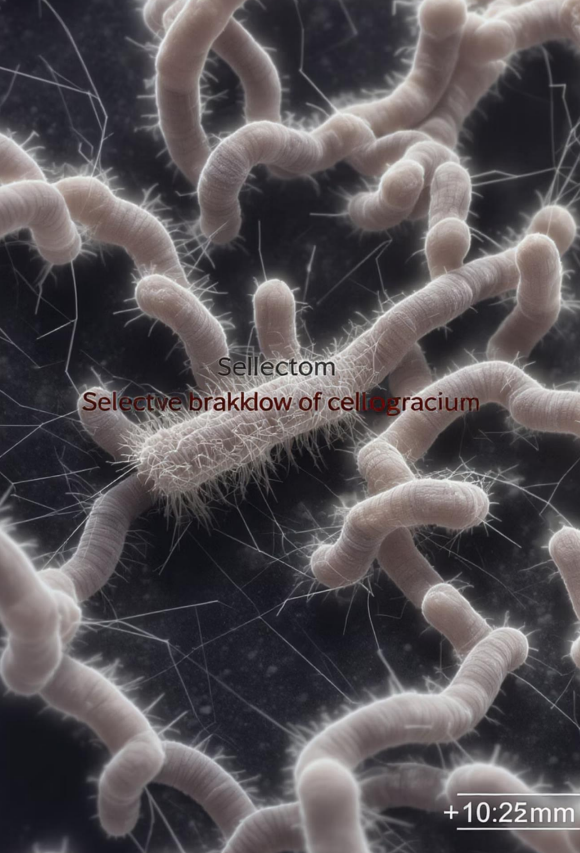
Traditional biomass to soil conversion processes can eliminate both the good and the unwanted microbes, whereas the Biovert process targets specific molecules, thereby decreasing processing time while increasing the quality of the yield in the soil.
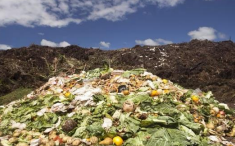
No Pre-Treatment Required
"SIEP" does not require pre-treating of any of the feedstocks, as many other processes do.
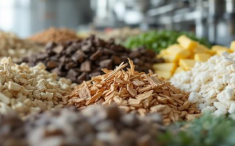
Versatile Feedstock Processing
As the "SIEP" process is indiscriminate, in terms of what biomass can be processed, it can be utilized with nearly every cellulosic feedstock imaginable.
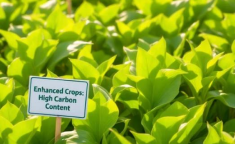
Enhanced Carbon Content
N2N Grown biomass has a considerably higher carbon content than traditionally grown biomass.
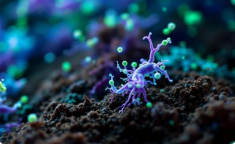
Resistant to Contamination
The BIOVERT process is not affected by foreign bacteria whereas most composting processes fail when unwanted bacteria are encountered.
Zero Waste
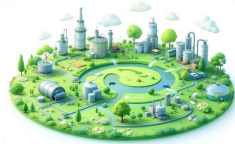
All waste products are digested during the BIOVERT process with any waste products treated and recycled back into the BIOVERT.
Complete Conversion
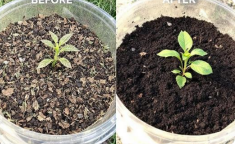
Traditional processing methods have varying percentages of total waste products whereas BIOVERT leaves no unusable byproducts.
Simple Preparation
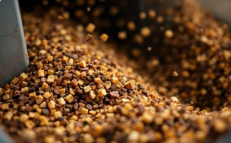
The BIOVERT process requires Biomass feedstocks to be reduced to quarter of an inch particle size only which is easily achievable by the inclusion of a horizontal grinder or similar mulching equipment.
Feedstock Optimalization
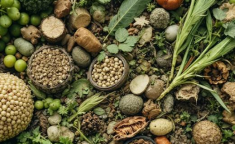
While BIOVERT can utilize a wide range of of feedstocks, N2N has refined the process to maximize the efficiency and carbon capture capacity in BIOVERT products derived from crops grown using N2N developed genetics and N2N HEDGE enhancement products.
Nutrient-Rich Conversion
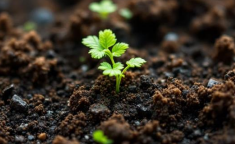
This biomass is converted into nutrient rich growing mediums, with elevated level of fixed carbon unlike composted products that have off-gassed the bulk of its carbon.
Living BIOVERT Mediums
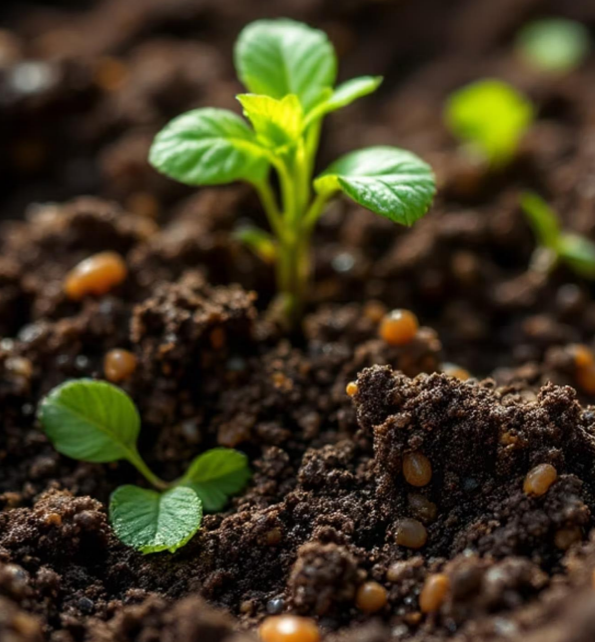
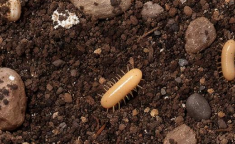
The converted biomass, now BIOVERT, is a living soil / growing medium, teaming with microbial–nutrients, which is used as the basis of all BIOVERT organic fertilizers.